Professional Bed Bug Heat Treatment for Efficient Eradication
Qualified bed bug thermal therapy stands apart as a highly potent solution for exterminating these stubborn pests. By driving temperatures to levels deadly for all life phases, this technique bypasses the challenges of chemical resistance. It is an eco-conscious solution that demands minimal sessions for success. Grasping the process and its benefits can greatly shape pest management strategies. However, many misconceptions plague this treatment. What are the truths behind these myths, and how can one get ready effectively?
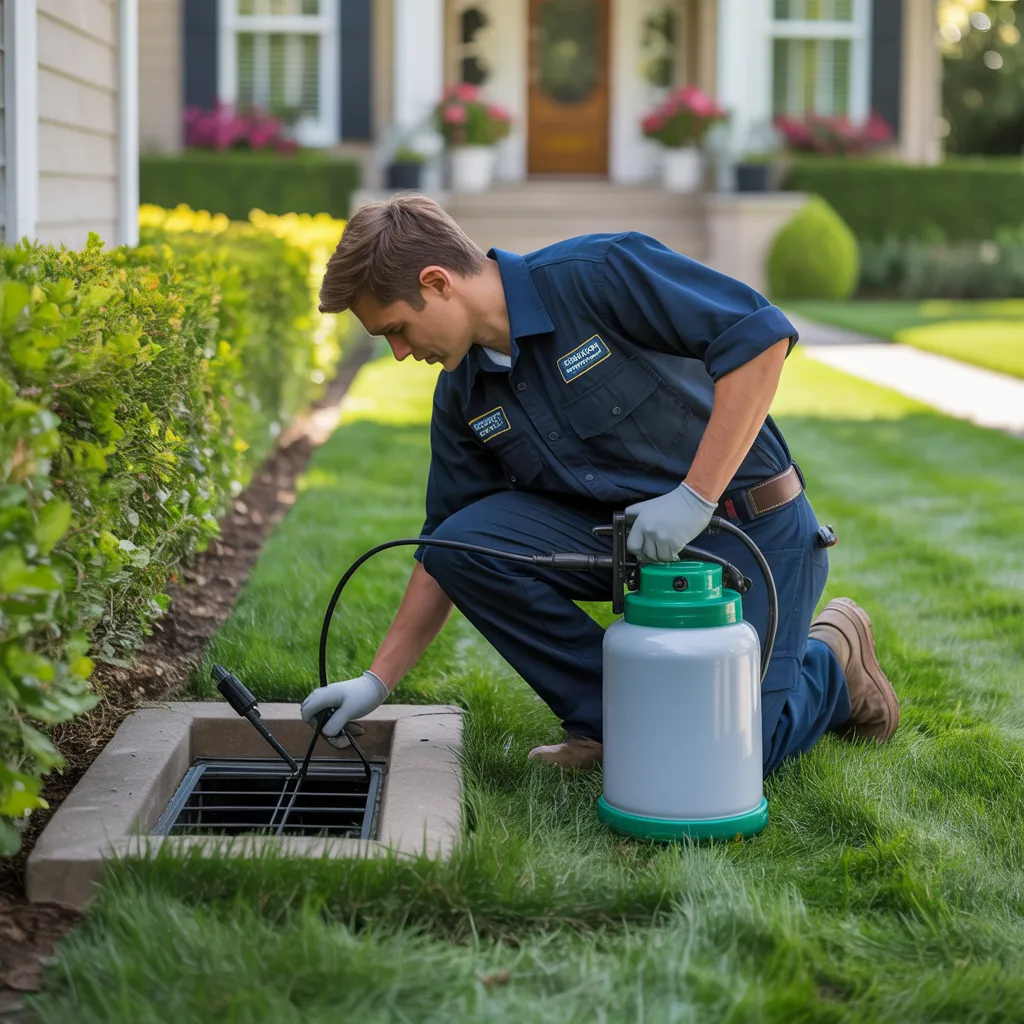
How to Get Rid Of Bed Bugs Effectively Through Heat Treatment
To successfully eliminate bed bugs, heat treatment stands out as a potent approach. This method includes raising the temperature of infested areas to levels fatal to bed bugs and their eggs. Unlike traditional chemical treatments, heat permeates various materials, guaranteeing that even concealed insects are addressed. The process typically necessitates specialized equipment to maintain consistent high temperatures, usually around 120°F to 140°F, for a adequate timeframe to ensure complete eradication.
Heat treatment is not only efficient but also environmentally friendly, as it reduces the use of chemical pesticides. It can be applied to a broad variety of items, including bedding, furniture, and clothing, making it versatile. Homeowners and pest control professionals often prefer this method due to its effectiveness in a single application, decreasing the need for multiple treatments. Overall, heat treatment proves superior as a effective and reliable approach to combat bed bug infestations.
The Mechanics of Bed Bug Thermal Treatment Described
Bed bug thermal control involves raising the temperature in problem areas to lethal ranges for these organisms. This approach is exceptionally effective, as it eradicates all developmental stages of bed bugs, including eggs, which are often immune to conventional chemical solutions. Knowing about the process and its effectiveness is critical for individuals seeking a comprehensive solution to a bed bug situation.
Heat Processing Process Explained
A successful approach to removing bed bugs involves a meticulous heat treatment method that tackles these pests at all life stages. Initially, the infested area is thoroughly inspected to pinpoint hotspots and potential hiding places. Specialized equipment is then employed to elevate the temperature of the environment to a lethal range, typically between 120°F and 140°F. This temperature is maintained for several hours, ensuring that both visible bugs and hidden eggs are exposed to the heat. Monitoring devices track temperature fluctuations, ensuring uniform heat distribution throughout the treated space. After treatment, a follow-up inspection may be conducted to confirm the absence of bed bugs, providing assurance that the process has been effective in eradicating these resilient pests.
Effectiveness Versus Bed Bugs
Using heat treatment effectively disrupts the life cycle of bed bugs, targeting them at every stage of development. This approach increases the temperature in infested areas to a deadly level, typically between 120°F and 140°F. At these temperatures, bed bugs, including eggs, nymphs, and adults, cannot survive. The heat permeates various materials, ensuring that hidden bugs are also eliminated. Unlike chemical treatments, heat treatment leaves no residue and minimizes the risk of resistance, as bed bugs cannot adjust to extreme temperatures. Additionally, the process is swift, often requiring only a few hours to achieve complete eradication. Consequently, heat treatment is recognized as a highly effective solution for thorough bed bug elimination.
Perks of Preferring Heat Treatment Versus Chemical-based Solutions
Implementing thermal solutions for bed bug eradication offers considerable benefits relative to chemical approaches, making it a preferred option among many homeowners. A significant advantage is its capacity to kill bed bugs across all life cycles, including eggs, nymphs, and adults, while avoiding any chemical residue. This meticulous method assures that no remaining pests can reproduce.
Additionally, heat processing is eco-friendly, as it avoids the use of strong chemical substances that may create potential dangers to humans and pets. Homeowners often appreciate the rapid results, as heat processing typically needs only a single session compared to several chemical treatments.
Moreover, it decreases the risk of chemical resistance, a increasing concern with traditional pesticides. The lack of chemical odors during and after treatment improves indoor air quality. Overall, heat treatment not only successfully eradicates bed bugs but also offers a more secure, more effective solution for pest management.
What to Anticipate From Your Heat Treatment?
After opting for thermal therapy for bed bug removal, residents can expect a detailed and systematic procedure. Initially, a complete inspection will be performed to locate infested areas and assess the scope of the issue. This step is essential for customizing the approach effectively.
After the assessment is finished, the pest control team will ready the home by making sure all areas are reachable and that sensitive items are properly handled. The heating equipment will then be set up to raise the interior heat to levels fatal to bed bugs.
Throughout the procedure, temperatures will typically exceed 120°F, sustained for a designated timeframe to assure results. Homeowners should be prepared for an elevation in temperature throughout the home, touching all infested locations.
Ultimately, a post-treatment inspection is frequently scheduled to confirm the elimination of bed bugs, permitting homeowners to recover peace of mind in their residences.
readying Your Home to undergo Heat Treatment
Preparing a house for heat treatment demands several essential steps to guarantee a successful eradication of bed bugs. To begin, inhabitants must remove all items from the treatment area, including clothing, bedding, and personal belongings. This prevents damage and permits heat to penetrate efficiently. Furthermore, sweeping carpets and upholstery aids in eliminating any observable bugs or eggs. It is also advisable to close vacuum bags tightly to hold any pests.
Next, animals and greenery should be moved to a secure location, as high temperatures can damage them. Homeowners must also make sure that electrical appliances and outlets are free of clutter to facilitate uniform temperature spread. Finally, it is essential to inform the pest control technician of any specific concerns or areas of infestation. By following these steps, homeowners can improve the effectiveness of the heat treatment process, ensuring a thorough elimination of bed bugs.
Untrue Notions About Heat Treatment You Shouldn't Believe
Widespread misunderstandings hover around heat treatment for bed bugs, most notably regarding its reliability and effectiveness. Some believe that this tactic involves significant risks, while others expect immediate results. Recognizing these untruths is paramount for adopting informed decisions about parasite management.
Heat Treatment Can Be Risky
Safety worries regarding heat treatment for bed bugs often stem from false beliefs rather than factual evidence. Many believe that high temperatures used in heat treatment can damage property or create health risks. However, professional pest control services are trained to monitor temperatures carefully, ensuring that they remain within safe limits for both belongings and human health. Additionally, heat treatment is generally considered eco-friendly, as it eliminates the need for chemical pesticides. While improper application may lead to issues, reputable companies utilize advanced equipment and techniques to mitigate risks. Ultimately, when performed by experts, heat treatment is a safe and effective method for eradicating bed bugs without the long-term concerns associated with access resource chemical treatments.
Rapid Results Guaranteed
Heat treatment for bed bugs is often clouded with the misconception that it guarantees immediate results. In reality, while this method is highly effective, the procedure does not eradicate all bed bugs right away. Factors such as the severity of the infestation, the completeness of the application, and the particular conditions of the setting can affect the outcome. For instance, some bed bugs may stay in concealed areas, requiring follow-up treatments to ensure complete eradication. Furthermore, people may mistakenly believe that heat treatment alone is enough without addressing potential reinfestation sources. Grasping these nuances is crucial for successful pest management. Therefore, while heat treatment is a potent tool, patience and comprehensive strategies are essential for attaining long-term results.
Methods to copyright a Bed Bug-Free Home After Treatment
While successful thermal treatment can eliminate bed bugs, maintaining a bed bug-free home requires continuous monitoring and preventative actions. Frequent checks of bedrooms, including mattresses and box springs, are crucial to detect any signs of returning infestation early. Homeowners should also organize their living spaces, as clutter provides hiding spots for bed bugs.
Washing and drying fabrics and clothes on high temperatures at least once a week can help eliminate any conceivable eggs or bugs. Utilizing protective barriers for mattresses and pillows creates an additional barrier against future infestations.
Frequent vacuuming in areas where pets sleep or guests stay can help remove any stray bugs. It is also recommended to be careful when purchasing used furniture or clothing, carefully examining items before bringing them into the home. By implementing these approaches, individuals can greatly decrease the risk of a bed bug resurgence.

Frequently Requested Inquiries
How long Does Heat Treatment require to finish?
Heat treatment generally takes between six to eight hours to finish, contingent upon the degree of pest infiltration and the size of the area being addressed. Post-treatment, it's advised to wait several hours before re-entering the location.
May I Remain in My Home While Undergoing Treatment?
During heat therapy, remaining at home is generally discouraged. High temperatures can present health hazards, and the treatment requires a thorough procedure, necessitating residents to depart until it is considered safe to re-enter.
Do Pets Face Any Hazards During Heat Therapy?
Indeed, risks to pets are present during thermal therapy. High heat levels can be harmful or even deadly. It's critical to relocate animals from the location before treatment and make sure they remain in a different place until the area cools down.
What Happens if Bed Bugs Endure the Heat Therapy?
In cases where bed bugs endure heat treatment, they can multiply, generating a recurrence of the infestation. This scenario necessitates supplementary intervention, as surviving individuals typically develop tolerance to treatments, complicating future eradication efforts.
How Much Money Does Professional Heat Treatment Generally Cost?
Professional heat-based therapy for bed bugs generally ranges from $300 to $1,500, influenced by the intensity of the infestation and the scale of your space. Costs are subject to variation in accordance with geographical location and pest control specialist.
Comments on “Bed Bug Heat Treatment Charlotte designed for lasting bed bug elimination”